
20 min read ·
How to Spend a Day Exploring Wicker Park on Foot
Combine one browsing cluster with either Hoyne Avenue or a verified segment of The 606, and reserve only the schedule-dependent part of the itinerary.
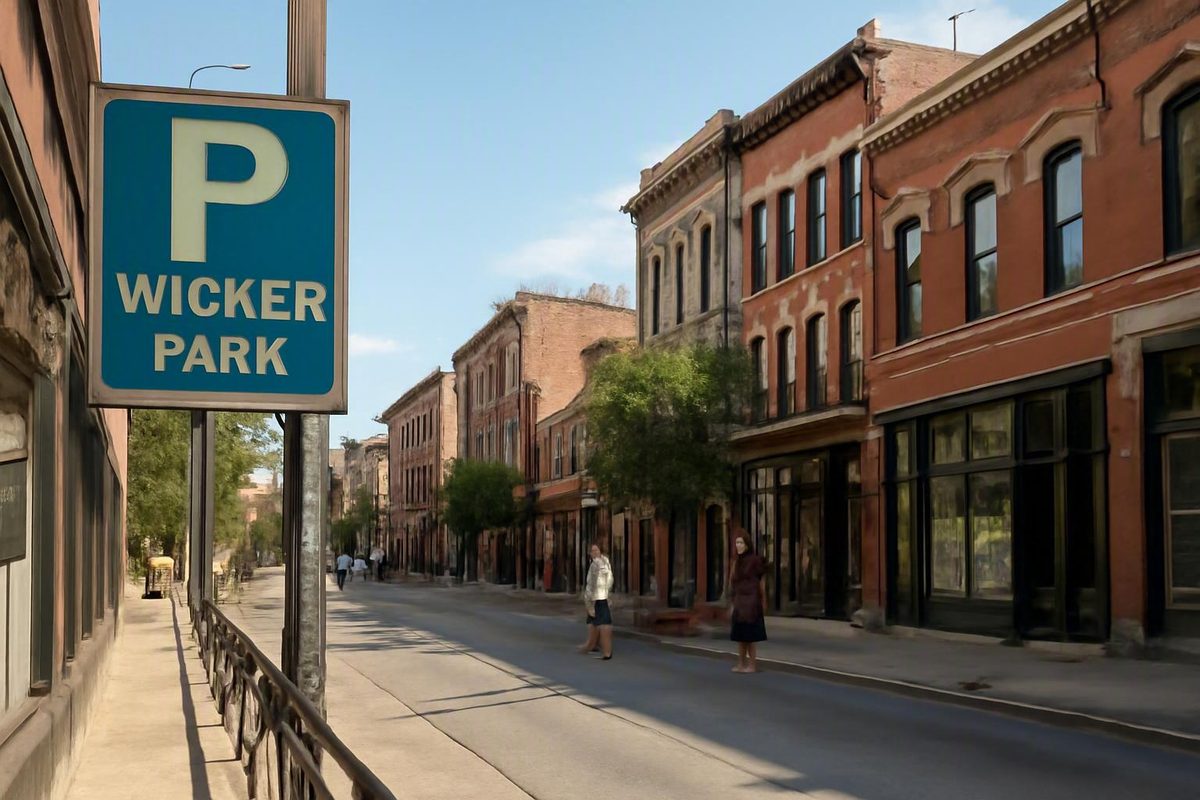
Wicker Park makes more sense as a connected neighborhood walk than as a checklist of attractions. Begin near a Blue Line station, orient yourself around the main commercial streets, choose one substantial detour—historic architecture, The 606, art, or an indoor activity—and return to the central corridors for dinner or entertainment.
For a first visit, build your day around these experiences:
- Get oriented at Six Corners, where North, Damen, and Milwaukee avenues meet.
- Browse Milwaukee Avenue for vintage clothing, independent shops, books, and records.
- Pause in the namesake Wicker Park before exploring nearby residential blocks.
- See the architecture along Hoyne Avenue, including the area commonly called Beer Baron Row.
- Walk part of The 606 instead of assuming you must complete the entire trail.
- Choose an indoor or evening activity, such as visual art, theater, comedy, live music, arcade games, miniature golf, or an escape room.
- Use a meal or coffee stop as a route anchor, not as the entire purpose of the visit.
This is not a definitive ranking of the best things to do in Wicker Park Chicago. It is a route-planning guide organized by interest, weather, and available time.
Evidence reviewed August 2, 2026. Durable route features are distinguished below from time-sensitive businesses and programs. The available evidence does not independently confirm the current operation, schedule, address, or policies of every named venue, so treat business names as research leads and verify essential stops through their official channels.
Start Here: The Wicker Park Experiences Worth Building a Day Around
The most practical orientation point is Six Corners, the intersection of North, Damen, and Milwaukee avenues. In Wicker Park, this three-way intersection sits beside the Damen Blue Line station and within the neighborhood’s central commercial cluster.
Milwaukee, Damen, North, and Division recur across neighborhood guides as the principal corridors for shops, restaurants, cafes, bars, and entertainment. Starting within that network makes it possible to change the plan without repeatedly crossing the neighborhood.
Use this decision guide before you arrive:
| If your priority is… | Build the day around… | Add if time permits |
|---|---|---|
| Outdoors and architecture | Wicker Park, Hoyne Avenue, part of The 606 | A weather-dependent patio or rooftop |
| Shopping and browsing | Milwaukee Avenue, books, records, vintage clothing | Selected Damen or Division detours |
| Arts and performance | Flatiron Arts Building research lead, theater, or live music | Architecture or bookstore browsing |
| Interactive indoor activities | Arcade games, miniature golf, or an escape room | Coffee, books, or records nearby |
| Food and nightlife | One daytime activity followed by dinner and entertainment | A short park or architecture walk |
| A mixed first visit | Six Corners, compact shopping, one outdoor detour, dinner or a show | A clearly labeled Bucktown extension |
If shopping is the priority, spend flexible time on Milwaukee Avenue rather than assigning every store a rigid appointment. If architecture matters more, leave the commercial core for Hoyne Avenue. If walking is the main objective and conditions are suitable, continue toward The 606. In cold or rainy weather, remain near Milwaukee Avenue and combine browsing with one reserved indoor activity.
The key is to choose one or two priorities. Trying to fit every vintage store, both the architecture and trail detours, multiple meals, galleries, games, and a performance into one day turns an easy neighborhood visit into constant schedule management.
Reserve the schedule-dependent part first. Business hours, ticket availability, event calendars, age rules, admission policies, and seasonal programs can change. Street browsing, the park, and architecture viewed from public sidewalks are easier to adjust around a confirmed ticket or reservation.
Understand the Layout: Six Corners, Division Street, Hoyne Avenue, and The 606
For route planning, you can treat Ashland Avenue as the eastern edge, Western Avenue as the western edge, Division Street as the southern edge, and Bloomingdale Avenue as the northern edge of Wicker Park. These are working boundaries, not an official legal definition. Neighborhood identity, community-area designations, and travel-guide labels do not always align neatly. Nomado’s corridor overview gives these commonly used boundaries while distinguishing Wicker Park, Bucktown, and Logan Square.
Within that frame, think in four clusters:
- Six Corners and North Milwaukee — Wicker Park: The central orientation point and the most compact concentration of browsing, food, coffee, and entertainment.
- Division and Milwaukee — Wicker Park’s southeastern approach: A useful arrival area for a walk that gradually moves northwest.
- Hoyne Avenue — Wicker Park: A quieter residential detour between Division and North, better suited to architecture than commercial browsing.
- The northern edge — boundary area and Bucktown connection: The approach to The 606 and the point where a Wicker Park itinerary can begin extending into adjacent neighborhoods.
Milwaukee Avenue is the connective line. It runs diagonally through the street grid, passing from the Division approach toward Six Corners and continuing northwest through Bucktown toward Logan Square. Damen and North cross the central cluster, while Division offers another corridor for shops, restaurants, bars, and cafes.
This geography explains why two itineraries labeled “Wicker Park” can cover very different amounts of territory. A route from Division to Six Corners remains relatively focused. Continuing northwest along Milwaukee, following a long portion of The 606, or proceeding toward the Logan Square rotary materially expands the outing.
Locations in this guide are therefore treated as one of the following:
- Wicker Park: Within the working neighborhood boundaries.
- Boundary area: On or immediately around a commonly disputed edge.
- Bucktown: North of the core Wicker Park route.
- Logan Square: Farther northwest and best treated as a separate extension.
- Broader West Town: A designation that can include Wicker Park but does not prove that a venue is inside the neighborhood itself.
This distinction matters for commonly bundled recommendations. Concord Music Hall is identified in the supplied tourism evidence as a nearby Bucktown venue, not a Wicker Park attraction. The Salt Shed is a separate riverfront extension. The 606 crosses a broader corridor, so neither the full trail nor every entrance should automatically be labeled Wicker Park.
Clear geographic labels prevent two planning mistakes: underestimating the area covered and assuming every stop in a “Wicker Park and Bucktown” guide fits inside a compact Wicker Park loop. Both Bucktown and Logan Square can be worthwhile additions, but they should be deliberate additions.
Outdoor Wicker Park: The Park, The 606, and Historic Hoyne Avenue
The namesake Wicker Park sits at Damen and Schiller. It is best used as a pause between commercial streets and residential blocks: a place to sit, reset the route, or decide whether to continue toward Hoyne Avenue. It does not need to occupy a large part of the day; its value is its convenient position within the walk.
For a longer outdoor activity, consider The 606. Supplied guides describe it as a converted elevated rail corridor used for walking, running, and biking, with public art along the route. It extends for 2.7 miles, but a neighborhood visit does not require covering all of it. A Wicker Park–Bucktown itinerary documents the trail’s length, former railway use, recreational uses, and public art.
There are three sensible ways to use the trail:
- Short out-and-back: Enter near the northern part of your route, walk only as far as your interest and schedule allow, and return to the same general area.
- One-way segment: Select an entry, exit, and onward transit option on a current map before setting out.
- Full trail: Make The 606 the principal activity and reduce shopping, architecture, and indoor stops accordingly.
A short out-and-back fits most half-day visits. A one-way section can work during a full day, but only when you have selected a current entrance, exit, and transit connection in advance. Because the evidence supplied here does not include current official trail-access information, this guide does not route you to a specific entrance or promise that a particular access point is open or suitable.
The quieter outdoor alternative is Hoyne Avenue. Walk north from Division toward North Avenue, focusing on historic residential exteriors and changes in building scale.
Two architecture leads reported by a neighborhood guide are the John Raap House at 1407 N. Hoyne Avenue and the Herman Weinhardt House at 2137 W. Pierce Avenue. The same guide identifies Beer Baron Row as a short stretch of Hoyne north of Pierce. Globalphile provides the two addresses and its description of Beer Baron Row.
These are exterior-viewing leads, not promises of public entry. Remain on public sidewalks and respect residential privacy. The point of the walk is to observe facades, materials, setbacks, and the relationship between larger houses and nearby flats—not to treat private homes as museums.
Before choosing The 606, check current weather, trail conditions, and access information. Do not assume that every entrance has the same facilities or will meet your accessibility needs. Restrooms, temporary closures, surface conditions, bike services, and entrance accessibility require current official confirmation.
A Browsing Route for Vintage Clothing, Books, Records, and Local Shops
Independent shopping is one of Wicker Park’s defining visitor activities. Recurring categories include vintage and secondhand clothing, smaller boutiques, bookstores, record shops, and specialty retailers. That is a description of the format, not a claim that either district is objectively better.
Begin near Six Corners and follow a compact portion of Milwaukee Avenue. Add a Damen detour only if a selected shop interests you, or work toward Division if that direction fits your route. This is more efficient than treating every business as an isolated destination.
Myopic Books and Reckless Records are the most consistently recurring book-and-record leads in the supplied guides. Vintage Underground, Kokorokoko, Belmont Army, Gemini, Penelope’s, store B vintage, and Una Mae’s also appear in third-party neighborhood coverage. Their inclusion here is neither a ranking nor confirmation that each business still operates under the same name or at the same location. Choose Chicago identifies several of these shopping leads alongside Myopic Books and Reckless Records.
Before arriving, select two or three priority categories:
- Vintage clothing
- Contemporary boutiques
- Books
- Vinyl and music
- Accessories or specialty goods
- Window-shopping without a purchase goal
This choice matters because browsing time is unpredictable. A bookstore or record shop may occupy much more of the afternoon than expected, while another stop may be brief. A comprehensive store-by-store crawl can easily displace Hoyne Avenue, The 606, or a ticketed cultural activity.
A practical sequence is:
- Start at Six Corners.
- Browse a compact stretch of Milwaukee Avenue.
- Visit one priority book, record, or clothing lead.
- Detour to Damen for the park or a preselected shop.
- Continue toward Division only if it supports the rest of your route.
If you arrive at Division station, do not immediately commit to walking all the way to Six Corners and then returning south. Browse the southeastern portion of Milwaukee selectively, turn west along Division for the Hoyne architecture route if desired, and then continue north toward the park and Six Corners. That creates forward movement rather than a long out-and-back.
Before treating any named shop as an essential stop, confirm its current name, address, operating status, and hours through a first-party channel. Vintage inventory is inherently variable, and an older guide cannot establish what will be available during your visit. Avoid planning around an exact number of vintage stores; broad estimates in the evidence often combine Wicker Park with Bucktown.
Arts, Performance, and Rainy-Day Activities
Indoor choices are varied enough that rain or winter weather need not reduce the day to eating and drinking. Organize them by format rather than trying to compare unlike activities.
The venue names below are research leads drawn from supplied travel guides and listings. They are not confirmations that a business is currently operating, presenting a particular program, accepting walk-ins, or maintaining the same policies.
Visual art: The Flatiron Arts Building at Six Corners is described as an 88,000-square-foot building with galleries and artist studios across three floors. Globalphile also reports a first-Friday art walk, but that program is date-dependent and should not be assumed without confirmation from a current official calendar. Globalphile supports the building-size, three-floor, gallery, studio, and reported art-walk details.
Theater and comedy: The Den Theatre and Chopin Theatre are identified in tourism coverage as performance leads associated with theater, comedy, music, film, or cultural events. Those descriptions do not establish what will be playing on your date.
Live music: Supplied guides identify Subterranean as a Wicker Park music lead. Geographic labels matter if you expand the search: Concord Music Hall is associated with nearby Bucktown, while The Salt Shed is a separate riverfront extension rather than part of the core walk. Choose Chicago’s neighborhood guide supplies the venue formats and geographic context.
Books and records: Myopic Books, Reckless Records, and other corridor shops can function as flexible indoor stops. Browsing is particularly useful before a timed performance because it can expand or contract around the schedule.
Arcade games and miniature golf: Emporium Wicker Park and Big Mini Putt Club appear in tourism guides as interactive-activity leads. Verify current operation, admission arrangements, reservations, age policies, and event restrictions directly.
Escape rooms: Escape Artistry appears in third-party listings for the broader West Town area. Current game availability, location, booking requirements, participation policies, and operating status need first-party confirmation. Tripadvisor’s Wicker Park-area listings include the Flatiron Arts Building, The Den Theatre, and Escape Artistry among the visible results.
A workable rainy-day sequence is straightforward:
- Arrive at Damen or Division.
- Browse books, records, or a few shops along Milwaukee Avenue.
- Attend one independently confirmed performance or interactive activity.
- Use a cafe or meal as the break between the flexible and fixed parts of the day.
- Add a second indoor stop only when it falls naturally along the same corridor.
This approach reduces repeated crossings in rain, snow, or cold and protects the part of the day that depends on a ticket or reservation.
Do not infer that an indoor venue is accessible, family-friendly, all-ages, inexpensive, or open late because a travel guide lists it. Those conditions vary by venue and sometimes by individual event.
Where Food, Coffee, Rooftops, and Nightlife Fit Into the Route
Food works best as a route anchor. Place a cafe between browsing and architecture, arrange dinner before a performance, or use a rooftop or bar as the final stop. Because dining and nightlife recur along Milwaukee, Damen, North, and Division, you generally do not need to abandon the walking route solely for a meal.
Match the stop to the structure of the day:
- Cafe break: Useful after the first shopping block or before a timed activity.
- Patio: A weather-dependent substitute for an indoor pause.
- Group meal: Worth selecting in advance when several people must meet at one location.
- Pre-performance dinner: Keep it near the theater or music venue, not near the morning starting point.
- Rooftop or bar: Treat it as an evening finish rather than a reason to zigzag.
- Dessert or nonalcoholic drink: An easy alternative when nightlife or alcohol is not part of the plan.
A former resident’s 2024 guide identifies The Wormhole and Colectivo as Wicker Park cafe leads. The same guide mentions Ipsento 606, which should be treated as a northern-edge or adjacent-corridor lead rather than automatically placed inside the compact Wicker Park route. It also identifies Big Star and Piece Brewery as options the author associated with groups, and Taxim and The Up Room at The Robey as rooftop leads. The resident-authored guide provides these cafe, group-meal, and rooftop suggestions.
These are planning leads, not guarantees about present-day operation, seating, laptop policies, group capacity, reservations, patios, or rooftop access. The evidence also does not establish that any rooftop offers the neighborhood’s or city’s best view.
For a shopping-focused day, take coffee after the first browsing block rather than immediately after arrival. For an outdoor plan, place the meal before or after the trail segment according to the entry and exit you have independently confirmed. For a culture-focused plan, select dinner by proximity to the performance venue. Each approach avoids a separate round trip created solely by a restaurant name on a list.
An alcohol-free itinerary follows the same route. Substitute coffee, tea, dessert, books, arcade games, miniature golf, theater, an escape room, or an earlier outdoor walk for the bar portion. A rooftop may still be relevant if its current access and menu suit you, but alcohol is not necessary for a complete day.
Confirm menus, service hours, reservations, rooftop access, weather policies, live programming, and age restrictions directly. Patios and rooftops are especially dependent on season, weather, and venue policy.
Two Connected Itineraries: A Half Day and a Full Day
These itineraries prioritize sequence over quantity.
Half day: Damen, Six Corners, and one detour
Starting point: Damen Blue Line station
First block: Six Corners and Milwaukee Avenue
Exit near the Damen–Milwaukee–North intersection and take a few minutes to understand the diagonal street pattern. Browse a compact section of Milwaukee Avenue, choosing books, records, vintage clothing, or general window-shopping rather than attempting every named store.
Second block: choose one outdoor branch
- Park and architecture: Walk to Wicker Park at Damen and Schiller, then continue west toward Hoyne Avenue for residential architecture.
- The 606: Use a current map and official access information to select a short out-and-back segment from the northern part of your route.
Do not attempt both unless the shopping block was brief. Hoyne offers a residential contrast to the commercial streets; The 606 offers a more sustained recreational walk.
Final block: return to the commercial core
Finish with one independently confirmed indoor activity, a meal, coffee, or an early performance. If the evening activity lies away from Damen, end near the Blue Line station or other transit connection most convenient to that venue rather than automatically returning to the starting point.
This route works because Six Corners connects the commercial core to both branches. You browse one concentrated area, leave it once, and return only if the final stop requires it.
Full day: Division to Six Corners, Hoyne, and The 606
Starting point: Division Blue Line station
This version is designed as a generally northbound progression rather than a trip to Six Corners followed by a long southward detour.
Morning: Division, Milwaukee, and Hoyne
Begin near Division and Milwaukee. Browse a short southeastern section of Milwaukee Avenue, then turn west along Division toward Hoyne Avenue. This keeps shopping selective and positions you for the architecture walk without first traveling all the way to Six Corners.
Walk north on Hoyne. The route passes the residential stretch associated with Beer Baron Row and the reported architecture leads around Pierce and Hoyne. Continue only from public sidewalks.
Midday: Wicker Park and Six Corners
From the Hoyne area, turn east toward the namesake park at Damen and Schiller. Use the park as a break, then continue north on Damen toward Six Corners.
At the central intersection, stop for lunch or choose between additional Milwaukee Avenue browsing and an independently confirmed arts activity. Selecting one prevents the midday block from expanding into the entire afternoon.
Late afternoon: optional northern extension
If conditions, energy, and verified access information support it, continue toward The 606 for a short segment. Treat this as an optional extension, not an automatic requirement. Choose the entry, exit, and onward transit connection on a current map before leaving Six Corners.
If trail access or conditions are uncertain, substitute books, records, another compact shopping block, or an indoor activity near the central corridors.
Evening: dinner or entertainment
Finish near the endpoint created by your confirmed evening plans. Choose dinner close to theater or music, or substitute an interactive indoor activity. A rooftop can replace the performance if current access, weather, and venue policies allow.
This order minimizes unnecessary backtracking: Division leads west to Hoyne; Hoyne leads north toward the park; Damen leads to Six Corners; and the northern extension follows only after the central route is complete. It is not a perfectly straight line, but it avoids walking from Six Corners south to Division and then north again.
Optional versions
Culture-focused: Combine the Flatiron Arts Building research lead, book or record browsing, residential architecture, and one independently confirmed performance. Reduce or skip the trail.
Outdoor-focused: Connect Hoyne Avenue, Wicker Park, and a preplanned segment of The 606, followed by a weather-dependent patio or rooftop. Keep shopping to one brief block.
Rainy-day: Remain near Milwaukee Avenue and combine books or records with one confirmed theater, comedy, arcade, miniature-golf, or escape-room activity.
Evening-focused: Start later at Damen, browse briefly, walk through the park or a short portion of Hoyne, then have dinner before a confirmed show.
Extended corridor: Continue north into Bucktown or northwest toward Logan Square. Mark this as a separate extension rather than silently adding it to the core Wicker Park itinerary.
These versions use broad blocks rather than invented walking times. Your pace will depend on browsing, weather, trail conditions, event schedules, and how long you spend looking at architecture.
Getting There and Planning Around Changing Details
Damen and Division are the Blue Line stations most consistently associated with Wicker Park in the supplied sources. Use Damen for direct access to Six Corners and the central shopping corridor. Use Division when you want to begin at the southeastern end and create a generally northbound route through Hoyne, the park, and Six Corners.
Third-party tourism guidance states that travelers from O’Hare can use the Blue Line to reach the neighborhood, subject to current CTA service conditions. The same guide identifies the 56 Milwaukee, 50 Damen, 72 North, and 70 Division buses as serving the area. Verify current routes, service alerts, station access, and schedules directly with CTA before departure.
Transit is the most straightforward foundation for these itineraries because the day can begin at one station and end at another. Driving is possible, but parking conditions and costs vary by location, date, and time. Do not build a tightly scheduled visit around finding a particular curbside space.
Avoid assuming a guaranteed train duration, uninterrupted service pattern, or station-accessibility feature. Planned work, rerouting, elevator status, weather, and special events can affect the trip.
Before visiting, verify:
- Business operating status and current address
- Opening and closing hours
- Performance and event calendars
- Tickets and reservation requirements
- Age limits and identification policies
- Accessibility for the specific venue, station, or trail entrance
- Trail access, conditions, and temporary closures
- Patio and rooftop availability
- Weather-dependent or seasonal programming
- Menus and service formats
- The actual location of anything described as “near Wicker Park”
Reserve the schedule-dependent experience first. A theater performance, concert, escape room, or other timed activity should determine the relevant afternoon or evening block. Leave flexible activities—street browsing, the park, architecture, and trail length—around that commitment.
The available evidence does not support universal cost bands, family-suitability labels, accessibility ratings, public-restroom locations, or bike-rental guidance. Research those details separately when they are essential to your visit.
Frequently Asked Questions
Which Blue Line stop is best for visiting Wicker Park?
Damen is the better default for a first visit because it places you at Six Corners beside the central Milwaukee Avenue corridor. It is also the most convenient starting point for the half-day itinerary.
Division is more useful for the full-day route described here. Begin near Division and Milwaukee, browse briefly, move west toward Hoyne Avenue, and then continue north through the park to Six Corners. Check current CTA service information before leaving.
Can I spend a full day in Wicker Park without a car?
Yes. A full day can combine selective Milwaukee Avenue browsing, Hoyne Avenue architecture, Wicker Park, Six Corners, an optional section of The 606, and dinner or entertainment.
The day remains manageable when you choose one substantial outdoor component and one scheduled indoor or evening activity. Bucktown and Logan Square can extend the outing, but neither is necessary to fill the day.
How long is The 606, and do I need to walk the entire trail?
The 606 is 2.7 miles long, and you do not need to walk the full trail. Supplied guides describe it as a converted elevated railway route used for walking, running, and biking.
For a half day, use a short out-and-back segment. For a full day, consider a one-way section only after confirming a current entrance, exit, and transit connection. Walk the entire route only when the trail is the principal activity.
What can I do in Wicker Park when it rains or during winter?
Remain near Milwaukee Avenue and combine flexible browsing with one independently confirmed indoor activity. Books, records, vintage shops, galleries, theater, comedy, live music, arcade games, miniature golf, and escape rooms are possible formats.
A practical sequence is book or record browsing, a ticketed or interactive activity, and a cafe or meal nearby. Confirm current operation, hours, reservations, age rules, accessibility, and event schedules directly.
Which commonly recommended attractions are outside Wicker Park proper?
Concord Music Hall is generally associated with nearby Bucktown, while The Salt Shed is a separate riverfront extension rather than a core Wicker Park attraction. Logan Square lies farther northwest and should be treated as another neighborhood, not the far end of Wicker Park.
The 606 crosses a broader corridor, so some entrances and sections fall in boundary areas or adjacent neighborhoods. Travel guides frequently combine Wicker Park and Bucktown, which is useful for inspiration but imprecise for route planning. Check the current address of each stop and label Bucktown or Logan Square additions as optional extensions.
For the simplest plan, start at Damen for a compact central outing or Division for a generally northbound walking day. Combine one browsing cluster with either Hoyne Avenue or a verified segment of The 606, and reserve only the schedule-dependent part of the itinerary. Treat Bucktown and Logan Square as optional extensions, confirm time-sensitive details directly, and leave enough flexibility to experience Wicker Park as a connected neighborhood rather than a race through a list.